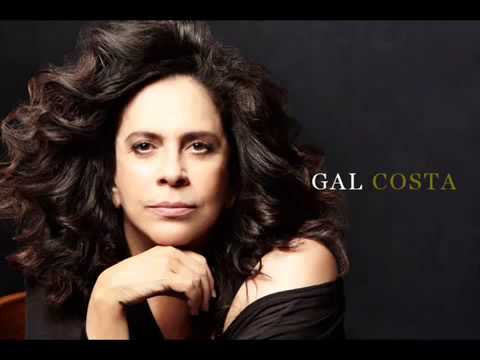
Gal Maria da Graça Costa Penna Burgos (26 September 1945 – 9 November 2022), known professionally as Gal Costa, was a Brazilian singer renowned for her contributions to popular music and the tropicalia movement of the late 1960s. She earned twelve Brazilian Music Awards and was described by The New York Times as “one of Brazil’s greatest singers.”
Formation and Backstory
Born in Salvador, Bahia, Costa began her musical career in the early 1960s, quickly becoming involved in Brazil’s emerging counter‑cultural scene. By the late 1960s she was a central figure in tropicalia, a genre that blended traditional Brazilian sounds with rock, avant‑garde, and psychedelic influences. Her participation on the seminal compilation *Tropicália: ou Panis et Circencis* (1968) cemented her status within the movement.
Costa continued to record and perform for over five decades, maintaining a presence in Brazil’s popular music landscape until her death in 2022.
Style and Influences
Costa’s vocal style combined the lyrical intimacy of Brazilian MPB (Música Popular Brasileira) with the experimental edge of tropicalia. Her repertoire often featured orchestral arrangements, samba rhythms, and occasional rock‑inflected passages, reflecting the eclectic influences of the era’s cultural renaissance.
She drew inspiration from traditional Brazilian folk music, contemporary international rock, and the avant‑garde artistic circles that defined tropicalia’s ethos.
Members
Current
No verified entries yet.
Former
No verified entries yet.
Gal Costa was a solo artist; no band members are applicable.
Discography
Studio Albums
Chuva de prata
Live Albums
No verified entries yet.
EPs and Compilations
1968 – Tropicália: ou Panis et Circencis
Notable Tracks
Chuva de prata
Legacy and Notes
Costa’s twelve Brazilian Music Awards highlight her sustained artistic impact. Her role in tropicalia helped shape Brazil’s modern musical identity, influencing subsequent generations of singers and songwriters. Internationally, she was recognized by major publications such as The New York Times, underscoring her status as a cultural icon.
Her death in November 2022 marked the end of an era for Brazilian popular music, prompting widespread tributes across media and the music community.